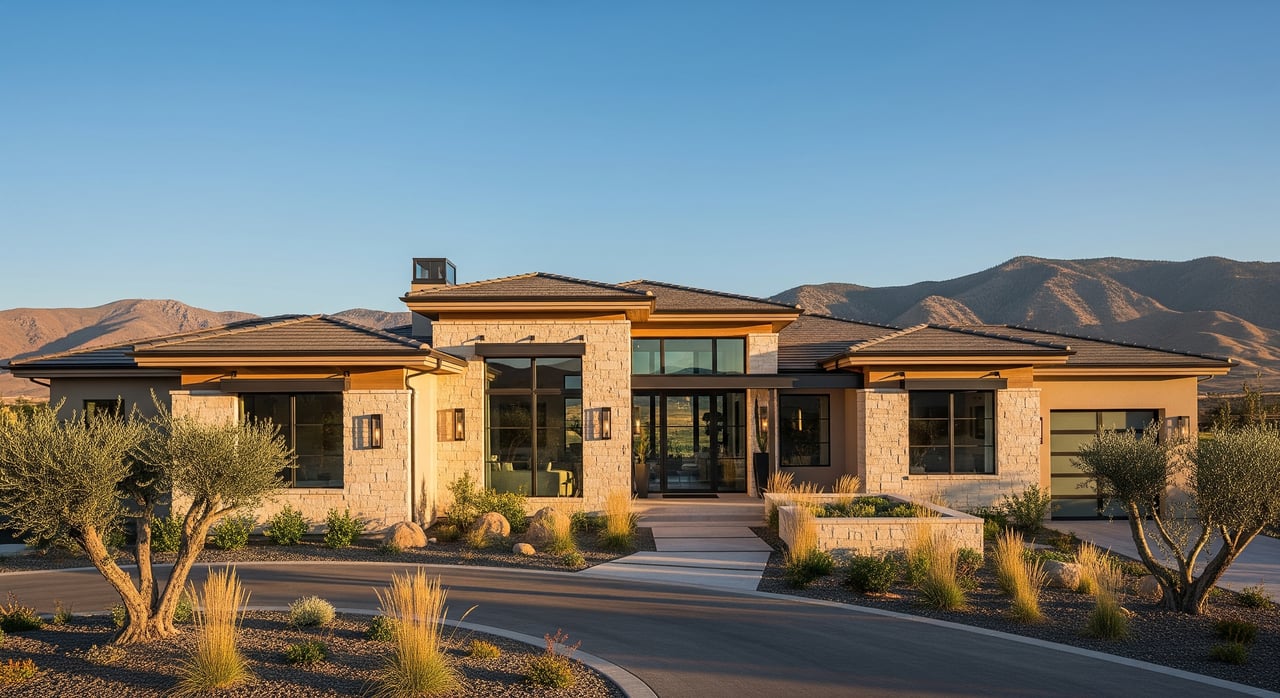
Are you trying to read the tea leaves on Villages at Damonte Ranch and wondering if now is the right time to move up or sell? You are not alone. With shifting mortgage rates, new construction nearby, and seasonal patterns in Reno, it can feel hard to get a clear signal. In this guide, you will learn how to track the right metrics and what they mean for your plans, with practical next steps for buyers and sellers. Let’s dive in.
Damonte Ranch at a glance
Villages at Damonte Ranch sits in South Reno within the larger Damonte Ranch master‑planned community. You will find a mix of single‑family homes, townhomes and condos, parks and trails, plus nearby shopping and services. Many homes were built in phases from the 1990s through the 2010s, with some infill and newer options. The location offers relatively easy access to SR‑580/US‑395 and the Reno‑Tahoe International Airport.
Bigger forces shape the neighborhood. Mortgage interest rates, local jobs and in‑migration to the Reno–Tahoe region, and the pace of new construction in South Reno all affect demand. Seasonality still matters, with spring and summer often busier, though rate cycles can mute the usual peaks.
Inventory and absorption
Inventory tells you how many options buyers have right now. Absorption shows how quickly homes are selling at the current pace.
- Active listings: how many homes are on the market
- New listings: how many hit the market this month
- Pending sales: a quick pulse on demand
- Months of inventory (MOI): active listings divided by the monthly sales pace
How to read MOI
- Less than 3 months: a sellers’ market with tighter competition
- 3 to 6 months: a more balanced market
- More than 6 months: a buyers’ market with stronger negotiating power
Track MOI over a rolling 3 to 6 months for a clearer trend. One noisy month can mislead you, especially in a single neighborhood.
What rising or falling inventory means
- If inventory is rising and pendings slow, buyers often gain leverage and can negotiate more on price and repairs.
- If inventory falls while pendings stay steady, competition increases and clean, well‑priced listings move faster.
Prices and price bands
Prices in Damonte Ranch move with supply, demand, and nearby new construction. Look at two lenses:
- Median sold price: compare the 3‑month median to the 12‑month median to spot momentum.
- Price per square foot (PPSF): useful when comparing different floorplans and lot sizes.
Within Villages at Damonte Ranch, typical bands include townhomes and condos, 2,000 to 3,000 square foot single‑family homes, and a move‑up segment with larger lots or upgraded finishes. School assignments and lot size can influence where a home sits within a band. Focus on 3 to 12‑month medians rather than single‑month spikes.
New construction vs. resale
South Reno continues to see new‑home activity, which matters because many Damonte Ranch shoppers compare new builds to resales.
- New builds can set a soft ceiling on comparable resales due to incentives, builder warranties, and modern layouts.
- Resales often win on mature landscaping, established streetscapes, and an immediate move‑in timeline.
When you compare options, factor in incentives like interest rate buydowns or upgrade credits, time to build, and total monthly cost. Ask how current builder offerings compare to nearby resale pricing and PPSF.
Speed and negotiation signals
Two quick checks reveal the market temperature:
- Days on market (DOM): shorter DOM signals faster sales and more competition; longer DOM signals more breathing room.
- Sale‑to‑list ratio: above 100 percent points to overbids or multiple offers; near 99 to 100 percent suggests accurate pricing; below 99 percent often reflects buyer negotiations and concessions.
Pair DOM and sale‑to‑list with MOI to confirm whether conditions are warming or cooling.
Financing and affordability
Mortgage rates shape what you can afford. When rates rise, purchasing power falls, which can cool demand or shift buyers into different price bands. Local employment and income trends also affect qualification and confidence. Cash and investor activity varies by cycle, so ask for a current read before you set strategy.
Recalculate your monthly payment at today’s rates before you tour. This helps you fine‑tune your target price band and decide whether to pursue new construction incentives or a resale value play.
Move‑up buyer playbook
If inventory is rising and DOM is increasing
- Negotiate strategically. Consider inspection and repair credits, and compare builder incentives to resale concessions.
- If you need to sell first, price your current home to the market and build a reasonable contingency window into your offer.
- Explore temporary financing options so you can buy first if the right home appears.
If inventory is tight and sale‑to‑list is above 100 percent
- Expect competition on well‑located, upgraded homes. Consider escalation terms and stronger earnest money.
- Tighten timelines and streamline contingencies where you are comfortable, after professional guidance.
- If you own a home, plan for a fast sale. Get photos, disclosures, and minor fixes ready before you shop.
Seller playbook
If MOI is low and DOM is brief
- You are likely in a favorable listing window. Price near the market to support appraisal and broaden your buyer pool.
- Focus on curb appeal and light refreshes in kitchens or baths. Professional photos and staging help you stand out.
- Set clear offer review guidelines to manage timing and terms.
If inventory climbs or sale‑to‑list dips below 100 percent
- Presentation and pricing precision matter more. Be mindful of nearby new construction incentives that buyers will compare.
- Price within the right band. Do not overreach into a higher tier where comps thin out.
- Be prepared to offer credits to address repairs or help with buyer costs if that aligns with your goals.
How to get Damonte‑specific numbers now
For the most accurate picture, focus on hyper‑local data for Villages at Damonte Ranch.
- Request an MLS neighborhood snapshot that covers 3, 6, and 12‑month medians for sold price, DOM, active listings, and PPSF.
- Confirm new‑construction activity by checking builder inventory, incentives, and time‑to‑build.
- Compare Damonte Ranch trends to Reno citywide data to see where they diverge.
- Note boundaries when reviewing stats, since “Damonte Ranch” can be defined differently across sources.
Final thoughts
Reading the market in Villages at Damonte Ranch gets easier when you watch a few reliable signals: MOI, DOM, sale‑to‑list, and how new construction stacks up to resales. Use rolling trends, not one‑off spikes, then tailor your plan to your timing, financing, and risk comfort.
If you want neighborhood‑specific numbers and a step‑by‑step plan for your move, reach out to Sonja Leonard for a private consult or to Request Your Home Valuation.
FAQs
What is months of inventory in Damonte Ranch and why it matters?
- MOI shows how long it would take to sell current listings at today’s pace, which signals whether conditions lean toward buyers, balanced, or sellers.
How do new‑home incentives affect resale pricing nearby?
- Builder incentives can set an effective ceiling for comparable resales, so sellers may need sharper pricing or improved presentation to compete.
Should I list in winter or wait for spring in Villages at Damonte Ranch?
- Seasonality can favor spring and summer, but rate cycles and inventory levels may create strong windows in other months, so base timing on current MOI and DOM.
What data should I review before making an offer in Damonte Ranch?
- Focus on recent comps within the same price band, DOM trend, current sale‑to‑list ratios, and any builder incentives that a seller must compete with.
How do mortgage rates change my move‑up budget in South Reno?
- Higher rates reduce purchasing power, so recalculate monthly payments at today’s rate, then adjust your price band or compare new‑build incentives to resales.
Do schools impact home values in Villages at Damonte Ranch?
- School assignments can influence certain buyer segments and price bands, so verify current boundaries and compare similar homes within the same assignment area.