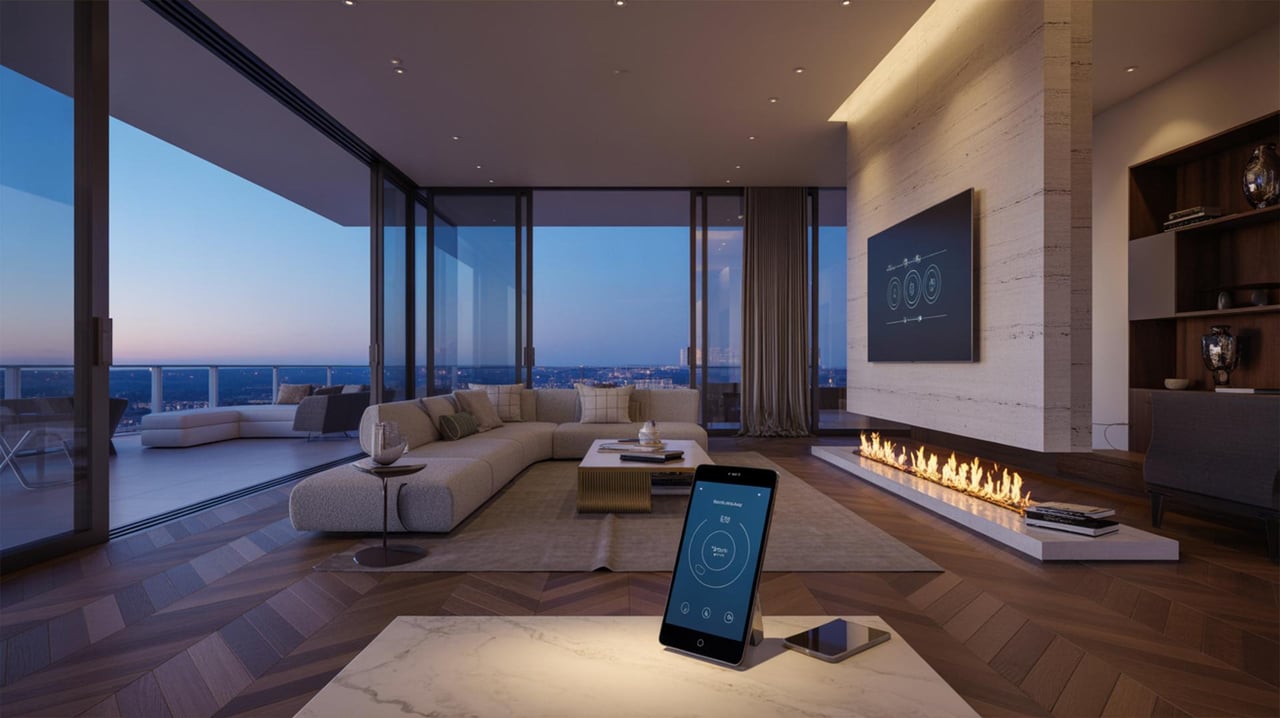
Smart Home Features Every Modern Homeowner Should Consider
Lifestyle September 12, 2025
Lifestyle September 12, 2025
In today's fast-paced world, technology plays a pivotal role in transforming our living spaces into efficient, comfortable, and secure environments. Smart home features are no longer a luxury but a necessity for many modern homeowners. These innovations not only enhance the convenience and functionality of a home but also contribute to energy efficiency and security. As technology continues to evolve, the range of smart home features available to homeowners has expanded significantly. Understanding these features can help homeowners make informed decisions about which technologies to integrate into their homes.
Smart lighting systems offer more than just the ability to control lights remotely. They allow homeowners to set schedules, adjust brightness, and even change colors to suit different moods or activities. These systems can be controlled via smartphone apps or voice commands, providing flexibility and ease of use. In addition to convenience, smart lighting can contribute to energy savings by ensuring lights are only on when needed. For instance, motion sensors can automatically turn off lights when a room is unoccupied, reducing electricity consumption.
Smart thermostats are a popular choice for homeowners looking to enhance energy efficiency. These devices learn your schedule and preferences, adjusting the temperature accordingly to optimize comfort and reduce energy usage. Many smart thermostats can be controlled remotely, allowing homeowners to adjust settings while away from home. This feature is particularly useful for those with unpredictable schedules, as it ensures the home is always at the desired temperature upon arrival. Additionally, smart thermostats often provide energy usage reports, helping homeowners identify patterns and make informed decisions to further reduce consumption.
Modern security systems have evolved to offer comprehensive protection for homes. Smart security features include cameras, motion detectors, and door/window sensors that can be monitored and controlled remotely. Homeowners can receive real-time alerts on their smartphones if any unusual activity is detected, providing peace of mind whether they are at home or away. Some systems also offer integration with other smart home devices, such as smart locks, allowing for seamless control over home security. This integration can enhance the overall security strategy, ensuring all aspects of the home are protected.
Smart locks offer a convenient and secure way to manage home access. These locks can be controlled via smartphone apps, allowing homeowners to lock or unlock doors remotely. This feature is particularly useful for granting access to guests or service providers without the need for physical keys. Some smart locks also offer features such as temporary access codes, which can be set to expire after a certain period. This ensures that access is only granted when necessary, enhancing overall security. Additionally, smart locks often include activity logs, allowing homeowners to track who enters and exits the home.
Voice assistants have become a central hub for many smart home systems. Devices like Amazon Alexa, Google Assistant, and Apple’s Siri can control various smart home features through simple voice commands. This hands-free control enhances convenience, allowing homeowners to adjust settings, play music, or access information without lifting a finger. Voice assistants can also integrate with other smart devices, creating a cohesive and interconnected home environment. This integration allows for automation of routines, such as turning off lights and locking doors with a single command.
Smart appliances are revolutionizing the way homeowners manage household tasks. From refrigerators that track expiration dates to ovens that can be preheated remotely, these appliances offer convenience and efficiency. Many smart appliances also provide energy usage data, helping homeowners identify opportunities for savings. For example, a smart washing machine can suggest optimal wash cycles based on load size and fabric type, reducing water and energy consumption. By integrating smart appliances into the home, homeowners can streamline daily tasks and enhance overall efficiency.
Home automation systems serve as the backbone of a smart home, allowing homeowners to control and automate various devices from a single platform. These systems can integrate lighting, security, climate control, and entertainment, providing a seamless and unified experience. Homeowners can create custom routines and schedules, ensuring that devices operate in harmony to enhance comfort and efficiency. For example, a morning routine might include gradually increasing lighting, adjusting the thermostat, and playing a favorite playlist. Home automation systems offer endless possibilities for customization, allowing homeowners to tailor their environment to their preferences.
Energy management systems provide homeowners with insights into their energy consumption, helping them identify areas for improvement. These systems can monitor the usage of various devices and appliances, providing detailed reports and recommendations for reducing energy consumption. By understanding energy usage patterns, homeowners can make informed decisions about when to run appliances or adjust settings to maximize efficiency. Energy management systems can also integrate with renewable energy sources, such as solar panels, to optimize energy use and reduce reliance on the grid.
For homeowners with gardens or lawns, smart irrigation systems offer an efficient way to manage watering schedules. These systems use weather data and soil moisture sensors to determine the optimal watering times, ensuring that plants receive the right amount of water without waste. By adjusting watering schedules based on real-time conditions, smart irrigation systems can significantly reduce water usage and promote healthier plant growth. Homeowners can also control these systems remotely, allowing for adjustments while away from home.
Smart entertainment systems provide homeowners with a personalized and immersive experience. From streaming devices to smart speakers, these systems offer a wide range of options for enjoying music, movies, and more. Homeowners can create custom playlists, access a vast library of content, and control playback with voice commands or smartphone apps. Smart entertainment systems can also integrate with other devices, such as lighting and climate control, to create the perfect ambiance for any occasion. By incorporating smart entertainment features, homeowners can enhance their leisure time and enjoy a more connected lifestyle.
Incorporating smart home features can transform your living space into a more convenient, efficient, and secure environment. As technology continues to evolve, staying updated with the latest innovations will ensure your home remains modern and valuable. If you're considering upgrading your home in the Reno-Tahoe area, Sonja Leonard is ready to guide you through the process. Contact her today to explore how these smart features can enhance your lifestyle.
Offering the highest level of expertise, service, and integrity. Sonja Leonard is here to help with your home search journey in Damonte and surrounding areas.